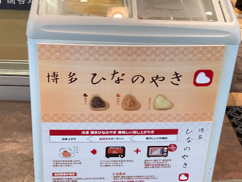
福岡のキャナルシティで見たものを英語にしています。日本的なものをどう表現するのか、というのにトライしました。ガイドをする時に使えるのではないかと思います。
紹介項目
サイゼリヤ、ドリア、シーザーサラダ、北海道特産物店、いきなりステーキ、キャラクターグッズ、マツモトキヨシ、能古うどん、とんかつ、一蘭、仙台牛タン、似顔絵描き、たこ焼き、博多通りもん、少年ジャンプ、One Piece, 呪術廻戦、鬼滅の刃、かんざし、ジブリ、台湾カステラ、ストーンショップ、Kカルチャー、ムーミン、クレーンゲーム、プリクラ、ゲームセンター、献血ルーム、鯖江市の眼鏡、ガンプラ、G-Shock、無印良品、ラーメンスタジアム、噴水ショー、ユニクロ、ランドセル、ニトリ、すし、辛子明太子、ガシャポン、ひよこ
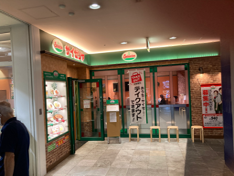
Saizeriya:
Saizeriya is a popular Italian chain restaurant, especially among young people, known for its exceptionally low prices—often considered the most affordable among family restaurant chains. Its most famous dish is the “Milano Doria,” a Milanese-style rice gratin.
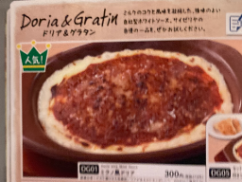
Doria:
Doria is a Japanese-origin rice gratin dish, inspired by French gratin but adapted to local tastes by using rice instead of pasta, typically baked in a creamy white sauce.
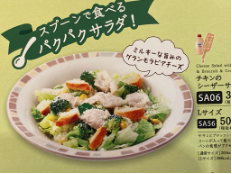
Caesar Salad:
Caesar salad is typically made with romaine lettuce, Parmesan cheese, and croutons, and is often enhanced with other vegetables. Despite its name, it has no connection to the Roman emperor. It is widely believed to have been invented by Italian-Mexican restaurateur Caesar Cardini in Tijuana, Mexico.
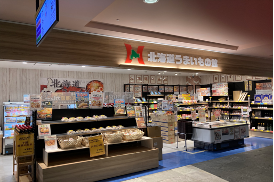
Hokkaido Product Exhibition:
Hokkaido Fairs, often held in department stores outside the region, are consistently popular and draw large crowds. Products like crab, dairy, salmon roe, and potatoes are highly sought after by consumers across Japan. To meet this demand, many shops in major cities specialize in selling Hokkaido goods.
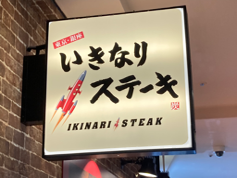
Ikinari Steak House:
Ikinari Steak is a popular chain restaurant known for its unique concept. The name “Ikinari,” which normally means “suddenly” or “going straight to the main point,” reflects its service style: you get your steak immediately, with no preceding appetizers, soup, or salad. This focus on speed and the main course is its defining feature.
Character Goods :
Character goods are licensed products featuring specific fictional characters from anime, manga, or other media. Some characters are even created specifically for merchandise. Dedicated shops for particular character franchises are common, with Sanrio—famous for its iconic Hello Kitty—being one of the most popular in Japan.
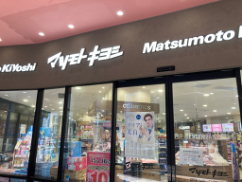
Matsumoto Kiyoshi:
Matsumoto Kiyoshi is a leading chain of drugstores in Japan, offering a wide variety of cosmetics and daily necessities at highly competitive prices. The company takes its name from its founder, who opened the first store in Chiba in 1932.
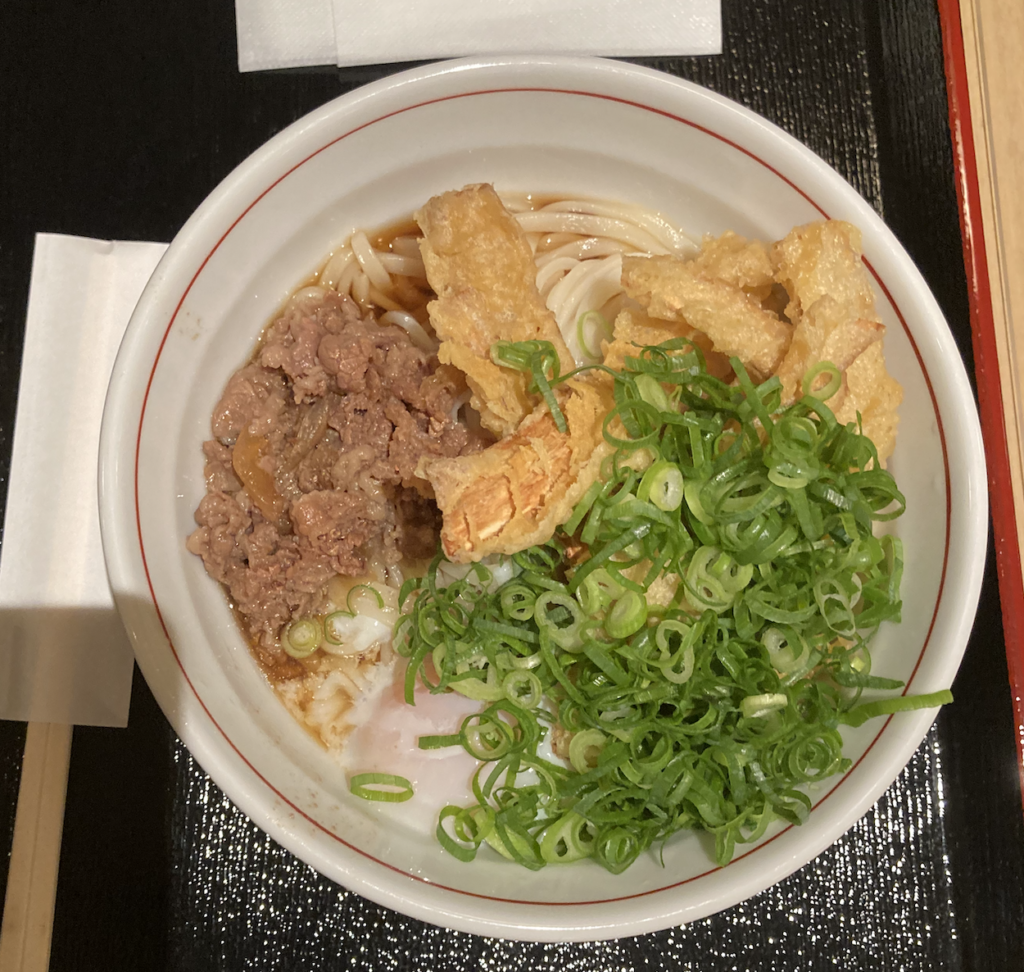
Noko Udon Noodles:
Noko is an inhabited island in Hakata Bay known for producing its own distinctive udon noodles. Several shops in Fukuoka City sell Noko Udon, which is characterized by its chewy, glossy texture—a notable contrast to the softer udon typically found in the region.
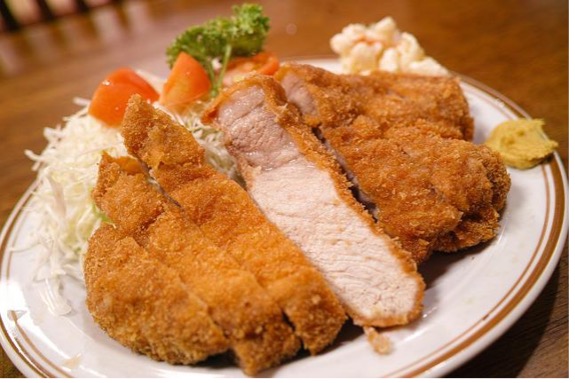
Tonkatsu:
Tonkatsu is a popular Japanese dish of a breaded, deep-fried pork cutlet. It is commonly served with a thick, savory tonkatsu sauce and a side of thinly shredded cabbage. A staple of both home cooking and restaurant menus nationwide, tonkatsu is also a local specialty of Kagoshima, renowned for its version made with premium Kurobuta (Berkshire “black pig”).
Ichiran, Ramen Shop:
Ichiran is a renowned ramen chain that originated in Fukuoka, specializing in Hakata-style tonkotsu (pork broth) ramen. Its signature feature is a special red spicy miso paste.
The restaurant is famous for its unique solo-dining experience. Customers sit in individual booths separated by partitions, focusing the experience entirely on the bowl of ramen. Before eating, patrons fill out a detailed order form to customize their dish, specifying preferences for noodle firmness, richness of broth, and the amount of spicy miso. This systematic process has been compared to the focused atmosphere of a polling place.
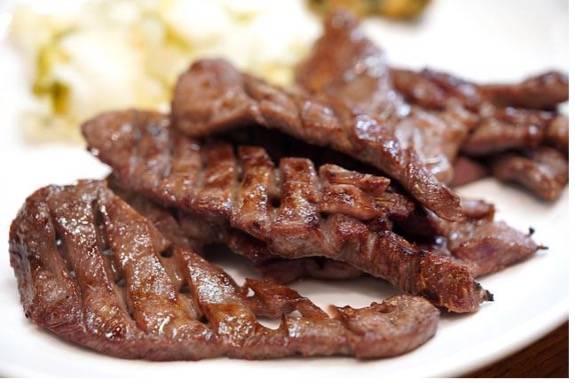
Beef Tongue in Sendai:
Beef tongue is a celebrated specialty of Sendai, traditionally served as a set meal. A typical order includes thick-cut, grilled beef tongue, mugimeshi (a rice and barley blend), a clear soup made from the tail (tanshio-supe), pickles, and a dab of spicy koreshi miso. In recent years, an increasing number of Sendai-style beef tongue restaurants have been opening across Japan.
Nigaoe Painter:
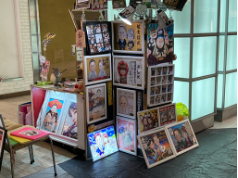
Nigaoe (似顔絵), meaning “likeness picture,” refers to the service where artists draw quick, manga-style portraits of customers for a fee, typically at events or commercial facilities. The style can vary greatly by artist, ranging from humorous caricatures to more realistic depictions.
Takoyaki, Octopus Balls:
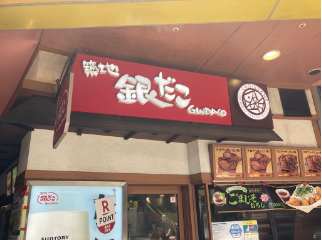
Takoyaki are golf ball-sized, savory snacks made from a wheat flour batter and cooked in a special molded pan. The batter is poured into the hemispherical molds, typically filled with a piece of diced octopus (tako) and other ingredients like tempura scraps (tenkasu) and pickled ginger. Once cooked into a spherical shape, they are topped with takoyaki sauce, mayonnaise, dried bonito flakes (katsuobushi), and dried green seaweed (aonori).
While popular throughout Japan, takoyaki is a quintessential specialty of Osaka, where it is so ingrained in the local culture that even children often learn the skill of making them.
Hakata Torimon:
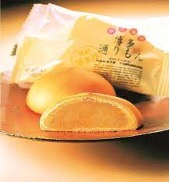
Hakata Torimon is a popular souvenir manju (a steamed bun with sweet bean paste) from Fukuoka. Its unique flavor comes from the sweet bean paste (“an”), which is blended with butter and cream, creating a delicious fusion of Japanese and Western confectionery styles.
The name “Torimon” comes from the Hakata dialect, where it means “a person passing by” or “a pedestrian.” It traditionally refers to the marchers in Hakata’s famous Dontaku Festival parade, evoking the image of these participants as they pass through the city.
Weekly Shonen Jump:
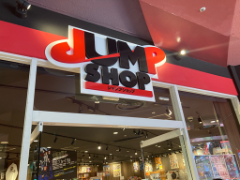
Weekly Shonen Jump is a premier manga magazine primarily targeted at young boys and is the most popular publication of its kind in Japan. Its readership extends widely to girls and adults as well. The magazine is renowned for launching iconic series that have become international phenomena, such as Captain Tsubasa, Dragon Ball, Naruto, and One Piece. Capitalizing on this success, the publisher also runs the “Jump Shop,” which sells character goods related to these series.
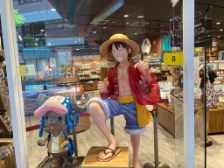
One Piece:
One Piece is a manga series serialized in Weekly Shonen Jump, following the adventures of a boy who aims to become the King of the Pirates. It is the best-selling manga series in history, with over 480 million copies sold worldwide as of 2021. The anime adaptation is also immensely popular.
The story epitomizes the classic shonen formula, emphasizing themes of adventure and friendship. This aligns perfectly with the core mottos of Weekly Shonen Jump: Friendship, Effort, and Victory.
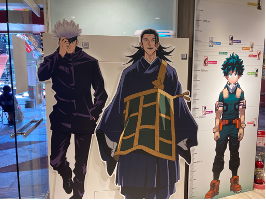
Jujutsu Kaisen:
Jujutsu Kaisen is a popular manga currently serialized in Weekly Shonen Jump. The title translates to “Sorcery Fight,” and the story masterfully blends elements of battle, horror, friendship, and comedy. It is consistently ranked as the second most popular series in the magazine.
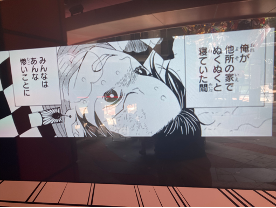
Demon Slayer:
Demon Slayer is a series named after the katana used by its main character. Originally a popular manga in Weekly Shonen Jump, it gained immense popularity after being adapted into an anime and became a national phenomenon. Even people who don’t typically read manga became familiar with its name. For instance, the Kamado Shrine in Fukuoka saw a surge in visitors due to its name association with the main character, Tanjiro Kamado, turning it into a pilgrimage site for fans.
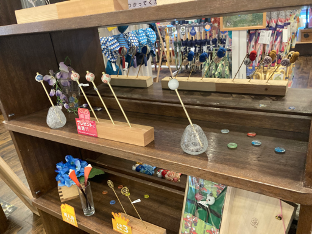
Kanzashi, Ornamental Hairpin:
Kanzashi is a traditional ornament for Japanese hairstyles that became popular among female commoners during the Edo period.
Ghibli:
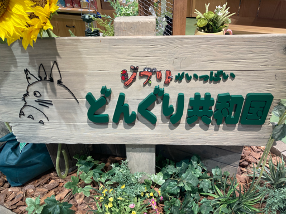
Studio Ghibli is a Japanese animation studio founded in 1985. It was established as a subsidiary of the publishing company Tokuma Shoten after the production of Nausicaä of the Valley of the Wind. Now independent, the studio is best known for its feature-length animated films directed by Hayao Miyazaki and Isao Takahata. Its popular works include My Neighbor Totoro, Grave of the Fireflies, and Princess Mononoke.
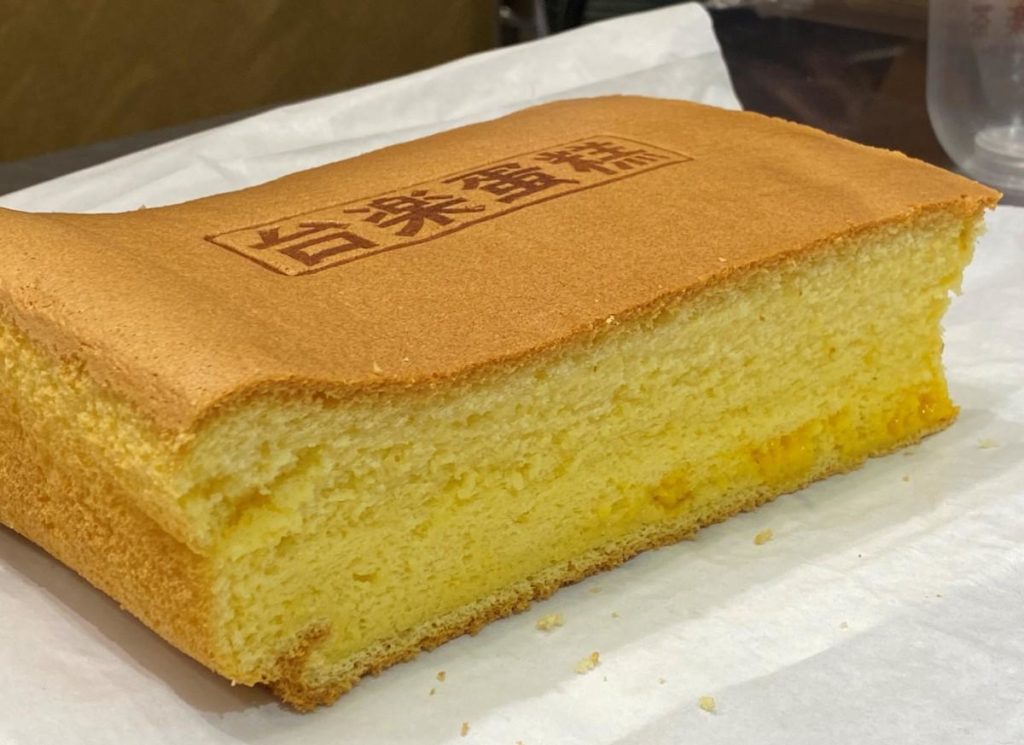
Taiwanese Castella:
Taiwanese castella has become a popular food trend in Japan, known for being softer and fluffier than its Japanese counterpart. It’s part of a wider popularity of Taiwanese foods, which also includes minced pork rice (Lu Rou Fan), tapioca milk tea, and shaved ice.
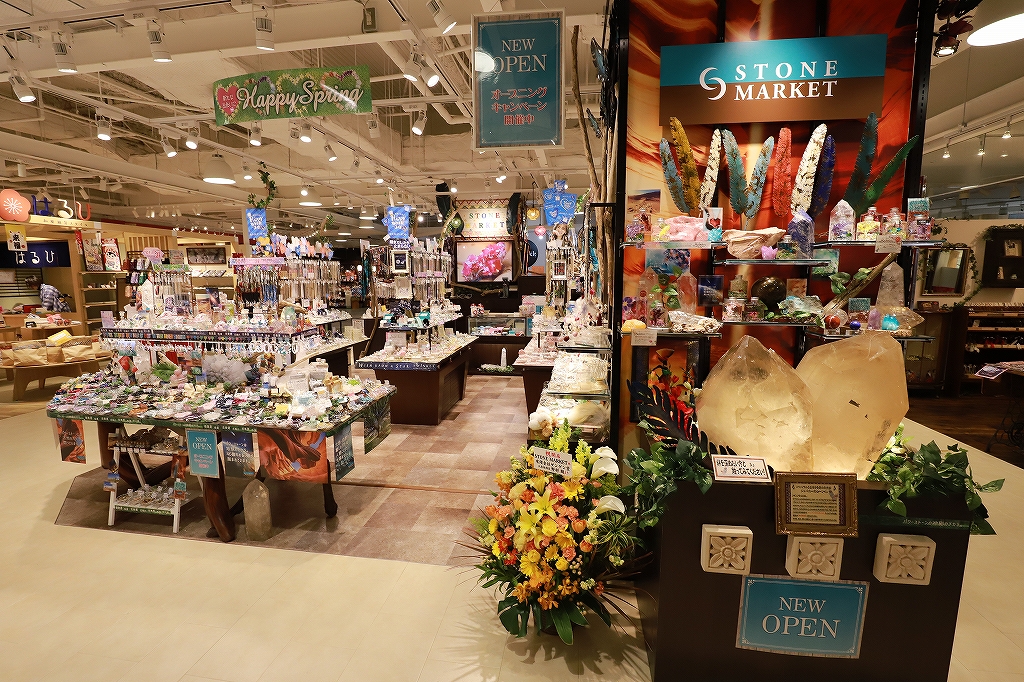
Power Stone Store:
“Power stones” is a wasei-eigo term (a Japanese-made English word) for stones thought to possess special powers. While the definition can be vague, they are generally natural stones that are polished until smooth and beautiful. Shops sell them in a variety of colors, with each type claimed to have specific effects. Although these claims lack scientific proof, the stones remain popular as beneficial ornaments, operating on the principle that “those who believe will be saved.”
Korean Culture Influence:
Korean culture has been popular in Japan since the broadcast of the TV drama Winter Sonata and remains influential in areas like pop music, film, and Netflix dramas. This is especially true among teenage girls, who are enthusiastic about Korean cosmetics, fashion, and food. For them, Korean culture, including a deep love for K-pop idols, is a central part of their social media lives.
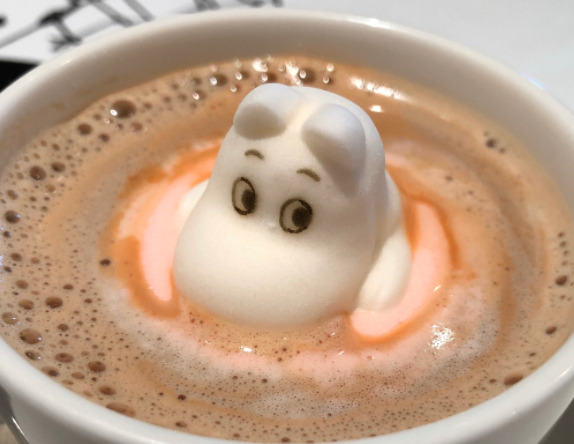
Moomin:
The Moomin characters are hugely popular in Japan, with specialty stores dedicated to their merchandise. Originally created by Finnish writer and illustrator Tove Jansson, Moomin has a unique appearance, often described as a blend of hippo and pig. The stories follow Moomin, his family, and friends, exploring themes of solitude, affection, understanding, and consolation in a warm-hearted manner. The animated adaptation of the series was particularly beloved in Japan and has earned worldwide acclaim.
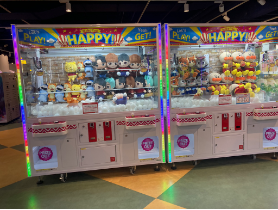
Claw Crane Machine:
The claw crane machine, known in Japan by the registered trademark “UFO Catcher” (owned by Sega), is a popular arcade game. A single play typically costs between 100 and 200 yen. Players manipulate a crane to grab prizes inside the machine, but it is notoriously challenging due to the crane’s weak grip and tricky controls. The prizes range from snacks and figurines to, in some cases, small living animals.
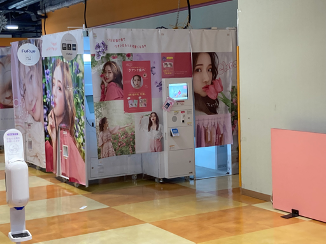
Purikura, Photo Sticker Booth:
Purikura, a contraction of “print club,” are photo sticker booths commonly found in Japanese arcades. Especially popular among young women and girls, these booths use special cameras that apply beautifying effects and decorative backgrounds to create cute photos. A key social aspect involves friends exchanging stickers and taking group photos. The booths are also a popular activity for young couples.
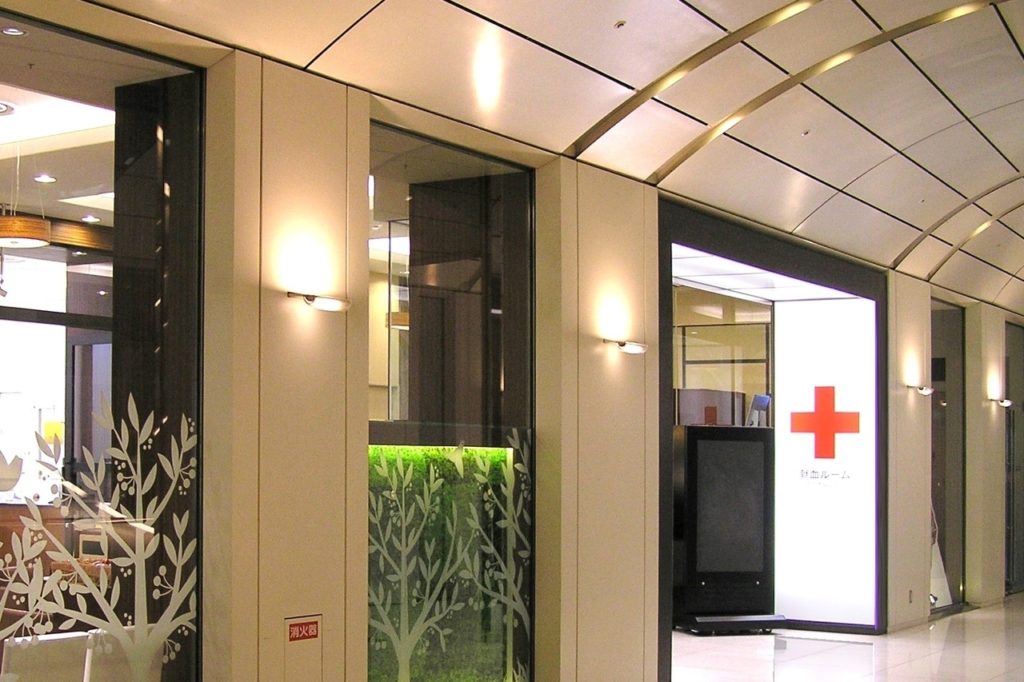
Blood Donation Room:
The Japanese Red Cross Society operates blood donation rooms in large commercial complexes. The donation process itself takes about 10–15 minutes. Afterward, donors are offered refreshments like juice or tea.
Eyeglass Frames in Sabae City:
Sabae City in Fukui Prefecture manufactures over 90 percent of Japan’s eyeglass frames. Although the city’s optical industry began over a century ago, its pivotal moment came with the successful production of the world’s first titanium frames, establishing it as Japan’s leading eyeglass town. Building on this legacy of innovation, Sabae has maintained a reputation for superior quality through the skill of its craftspeople. Today, eyeglass shops featuring Sabae-made frames can be found throughout Japan.

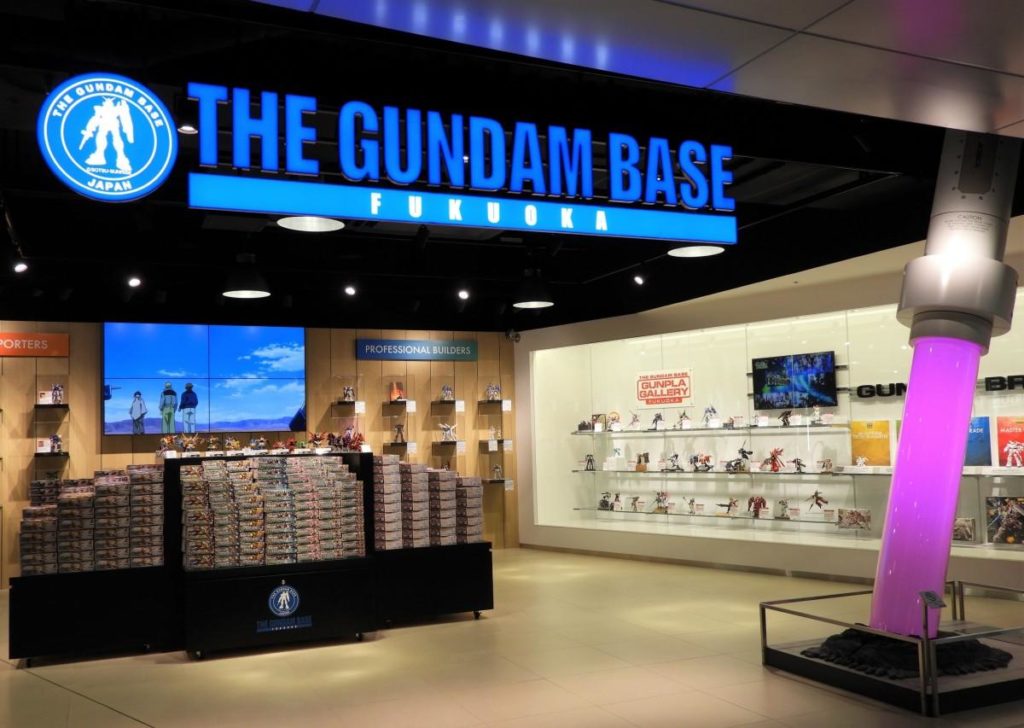
Ganpura, Plastic Model of Gundam:
“Gunpla” is the term for the plastic model kits of robots, known as Mobile Suits, from the Gundam anime series. These kits are produced by Bandai, a Japanese toy manufacturer. First released forty years ago alongside the original anime, building Gunpla has become an immensely popular hobby. Bandai even operates specialized stores dedicated entirely to these models.
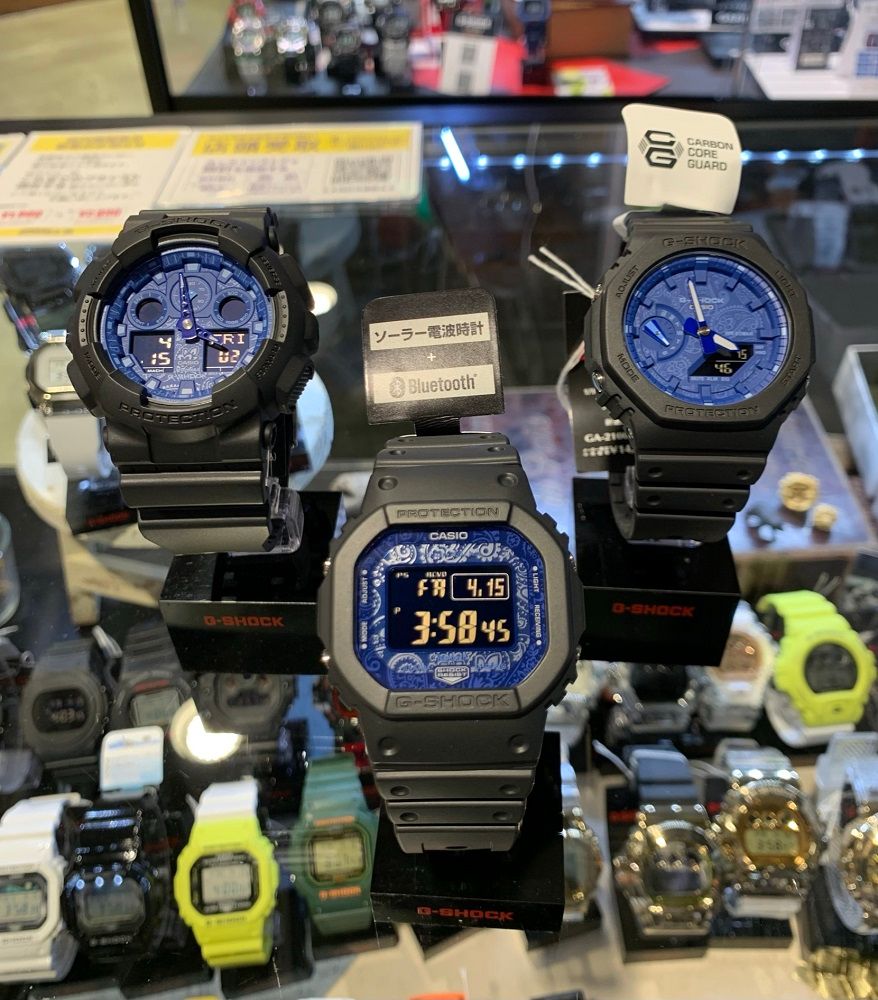
G-Shock:
G-Shock, a long-running watch line from Casio, has been popular worldwide since its launch due to its renowned durability and affordable price. Its resistance to shocks and water, along with its general reliability, has made it a choice for militaries around the world. The “G” in the name stands for “Gravity,” reflecting the watch’s ability to withstand gravitational shock.
Mujirushi-Ryohin:
Mujirushi Ryohin, which translates to “No Brand Goods,” is a retailer that manufactures all its own products under a private label (PB brand). The brand’s popularity is driven by its low-price strategy, which it achieves through simplified packaging, minimalist design, and the reduction of unnecessary production costs.
Ramen Stadium:
Ramen Stadium, a food theme park located on the 5th floor of Fukuoka’s Canal City, features eight ramen shops from across Japan. Since its opening in 2001, inspired by the success of the Shin-Yokohama Ramen Museum, its shops have been regularly rotated based on popularity.
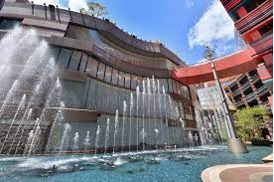
Fountain Show in Canal City:
The fountain show takes place every 30 minutes on the spacious ground floor of Canal City. It can be viewed from the terrace-like walkways on the upper floors. The content of each show varies; some are set to music and feature 3-D projection mapping, while others have no soundtrack at all, making every performance uniquely beautiful and entertaining.
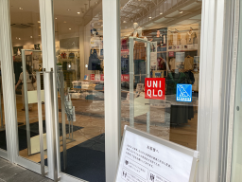
UNIQLO:
UNIQLO, short for Unique Clothing Warehouse, is a leading manufacturer and retailer of casual wear. Known for its simple designs, wide range of colors, and reasonable prices, UNIQLO stores are extremely popular. The first store opened in Hiroshima about thirty years ago, and today there are more than 2,000 locations worldwide.
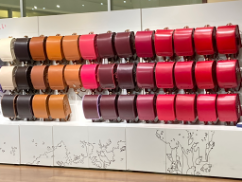
Ransel, School Bag:
In Japan, this type of school bag is called a “randoseru.” Most elementary school students carry these sturdy backpacks filled with textbooks and stationery. Traditionally, boys used black ones and girls used red ones, but today, children can choose from a wide range of colors. It’s also common for grandparents to give a randoseru as a gift when their grandchild enters elementary school.
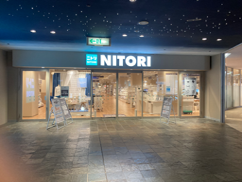
Nitori:
Nitori is Japan’s leading retailer of furniture and home décor. Its popularity comes from its reasonable prices, made possible by managing both manufacturing and distribution in-house.
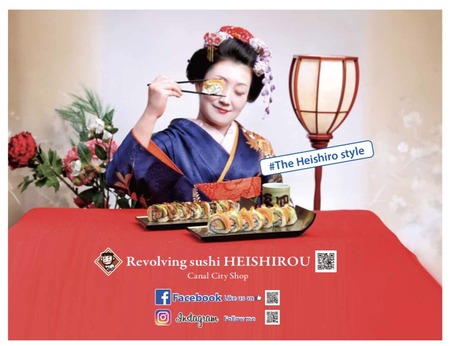
Conveyer Belt Sushi:
Conveyor belt sushi restaurants are very popular in Japan because they are much cheaper than traditional sushi establishments. Plates of sushi travel past customers on a moving conveyor belt, and diners simply pick up what they like. Many restaurants also offer other menu items, which can be ordered directly. Today, there are more than 20,000 conveyor belt sushi restaurants across Japan.
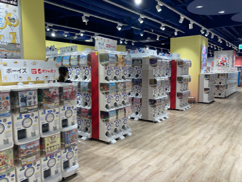
Gashapon:
Gashapon are small capsule toy vending machines found throughout Japan. You can check the pictures and descriptions on the machine to see the available toys inside. After inserting coins and turning the handle, you receive one capsule — but you won’t know which specific toy you got until you open it.
Hiyoko:
Hiyoko is a chick-shaped manjū bun filled with white bean paste. The chick is designed to look as if it’s gazing upward. Although it’s often thought of as a Tokyo souvenir, Hakata is another place where Hiyoko is very popular. The original company was founded in Iizuka, Fukuoka, and later expanded to Tokyo. Today, there are two Hiyoko companies in Japan that share the same origin.